Chlorine Stability in Detergent Formulations
Understanding chlorine stability in detergent formulations. How CBS-X maintains performance in bleach-containing detergents.
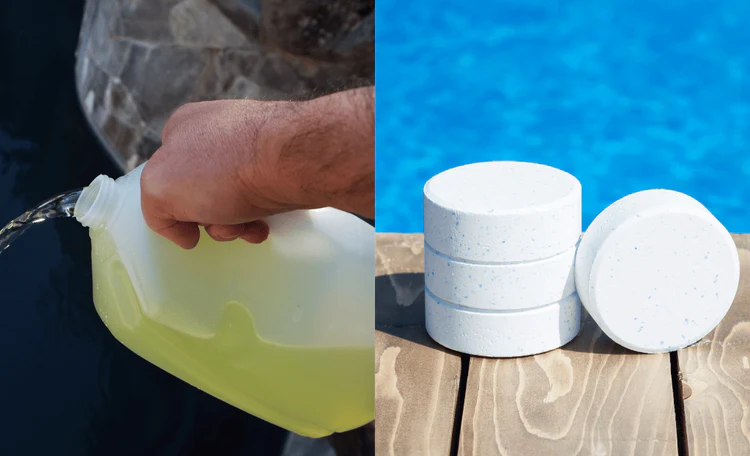
The Chlorine Challenge
Chlorine bleach (sodium hypochlorite) is a common additive in detergent formulations for its powerful stain-removing and sanitizing properties. However, many optical brighteners degrade rapidly in the presence of chlorine, losing their whitening effectiveness. CBS-X stands apart with exceptional chlorine stability.
Why Chlorine Destroys Most Brighteners
Chlorine is a powerful oxidizing agent that attacks the double bonds in fluorescent molecules. This oxidative degradation causes:
- Loss of fluorescence capability
- Reduced E-value over time
- Color changes in the product
- Formation of degradation byproducts
CBS-X: Engineered for Chlorine Resistance
CBS-X's molecular structure provides inherent resistance to chlorine oxidation. Key features include:
Protected Double Bonds
Strategic molecular design shields vulnerable conjugated systems from chlorine attack.
Electron-Withdrawing Groups
Sulfonate groups enhance stability against oxidative degradation.
Rigid Molecular Structure
Distyrylbiphenyl backbone provides structural integrity.
pH Buffering Capacity
Maintains performance across alkaline bleach environments.
Chlorine Stability Performance Data
E-Value Retention in Chlorine Environment
| Chlorine Concentration | CBS-X Retention | Competitor A | Competitor B |
|---|---|---|---|
| 0% (Control) | 100% | 100% | 100% |
| 1% NaOCl | 98% | 75% | 60% |
| 3% NaOCl | 95% | 55% | 35% |
| 5% NaOCl | 90% | 30% | 15% |
Oxygen Bleach Compatibility
CBS-X also demonstrates excellent stability with oxygen-based bleaches like sodium percarbonate and sodium perborate:
Oxygen Bleach Performance
- 95%+ E-value retention with 10% sodium percarbonate
- Compatible with TAED activator systems
- No interaction with hydrogen peroxide
- Stable in bleach activator formulations
Formulation Guidelines for Bleach Systems
Add CBS-X After Bleach
Incorporate CBS-X after bleach components are fully dissolved to minimize exposure time
pH Optimization
Maintain pH 9-11 for optimal CBS-X stability in bleach systems
Temperature Control
Keep mixing temperature below 40°C when adding CBS-X to bleach systems
Stabilizer Addition
Consider adding bleach stabilizers that also protect CBS-X
Applications Requiring Chlorine Stability
Bleach-Containing Detergents
Powder and liquid detergents with 1-5% chlorine bleach content
Textile Bleaching
Industrial textile processing with chlorine-based bleaching
Color-Safe Bleaches
Formulations combining brightening with mild bleaching action
Water Treatment
Detergents for chlorinated water environments
Quality Assurance Testing
Novochem conducts rigorous chlorine stability testing on every CBS-X batch:
Testing Protocol
- Accelerated aging with 5% NaOCl at 40°C for 4 weeks
- E-value measurement pre- and post-exposure
- Visual inspection for color changes
- Acceptance criterion: ≥90% E-value retention
Conclusion
CBS-X's exceptional chlorine stability makes it the optical brightener of choice for bleach-containing detergent formulations. Its molecular engineering provides robust protection against oxidative degradation, ensuring consistent whitening performance even in harsh bleach environments. By choosing CBS-X, formulators can create powerful, bleach-enhanced detergents without compromising on brightening performance.